Important Dates to Remember
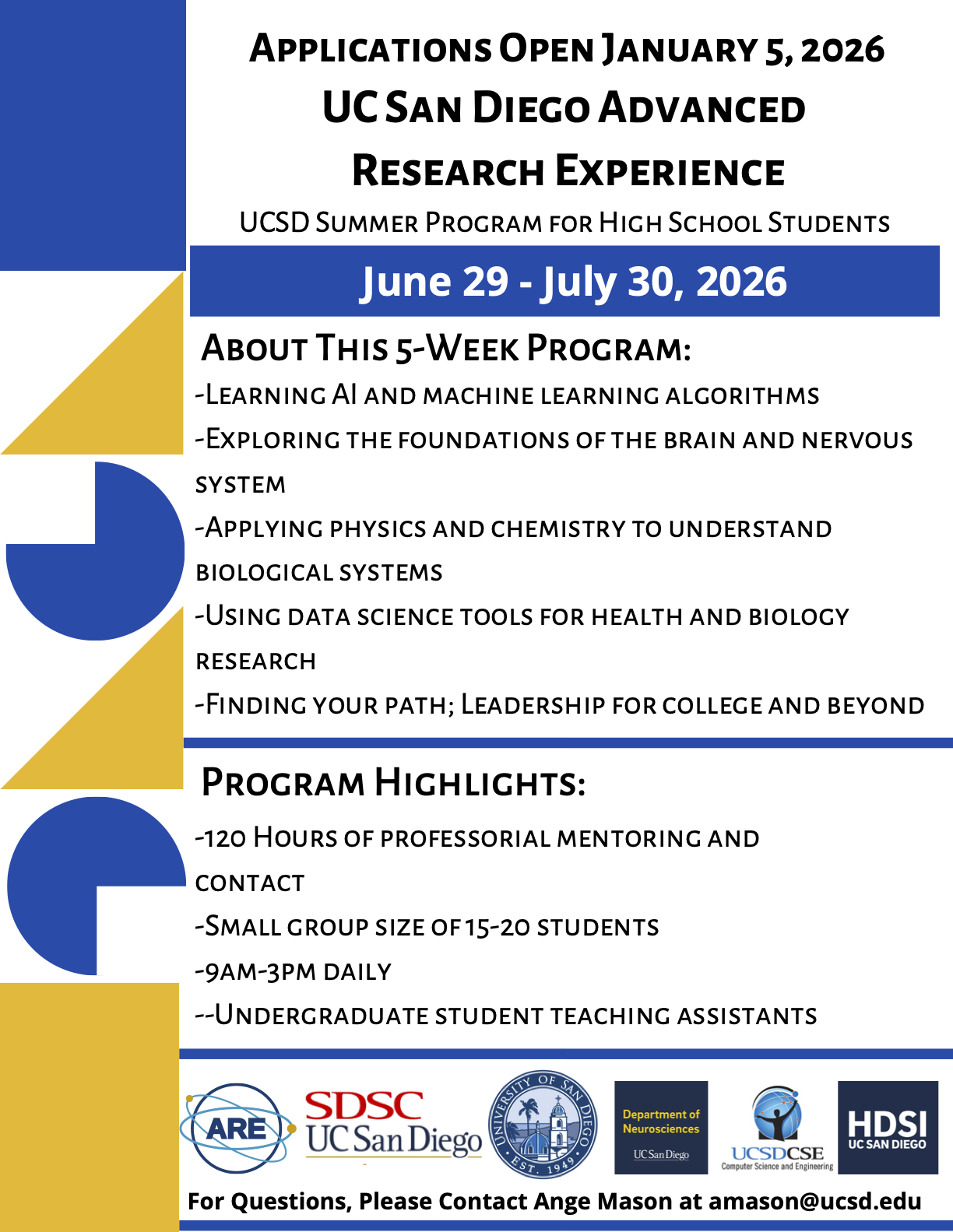
Program Dates: June 29 – July 30, 2026
Application process opens on January 5, 2026
Application deadline is February 5, 2026
Notification Window: March 30 – April 10, 2026
About the Program
This advanced and fast paced five–week research experience will give high school students the opportunity to learn and conduct research with some of the nation‘s top researchers. Work within five different research disciplines in one unique summer research experience! The program will begin the week of June 29 – July 2, 2026 with Dr. Paul Cao of the Department of Computer Science and Engineering. We welcome back Dr. Cao who will teach students about AI and basic machine learning algorithms. During our second week, July 6–13, 2026, Dr. Chengbiao Wu, of the Department of Neuroscience, will lead students on a journey of the human brain, from function to diseases of the brain. Our third week, July 13–17, 2026, will feature Dr. Kijung Sung of the UCSD Center for Chronobiology. Dr. Sung will explain the science of Biophysics and how physics and chemistry can be used to study biological systems. For our fourth week, July 20–24, 2026, we also welcome back Dr. Benjamin Smarr of the UCSD Halicioglu Data Science Institute, an alumni of our last summer program. Dr. Smarr will guide students through the fields of data science and data analytics as it relates to biology and health. During our final week, July 27–30, 2026, Professor Leonardo Civinelli Tornel da Silveira of the Department of Leadership and Education Studies at the University of San Diego, will lead students on their path from high school to college in a thoughtful session on college preparedness. Each week described above will require an assigned small group final project. The end of the summer will culminate with students creating their final research poster for the ARE Research Symposium poster session on July 30, 2026.
Program Eligibility
- Applicants may be a Southern California residents or from any state in the country and have completed their most recent semester of high school and be in grade 10, 11 or 12 at a public or private high school or in a home school setting within Southern California.
- Applicants must be at least 16 years of age on or before June 15 of the application year. There are no exceptions.
- One year each of high school level chemistry or biology is recommended but not required for full consideration. Please check each project prerequisite as project requirements vary.
- Applicants must have a minimum cumulative grade point average of 3.0 and be college bound. Please include your non-weighted GPA.
- Completion of an ARE Final Poster and attendance at the Poster Session itself is mandatory. If you know that you will be unable to attend this event, please DO NOT apply.
Program Highlights
- 120 hours of professorial contact and mentoring
- Small group size of 15–20 students
- Five weeks of STEM content
- Weekly small group final projects
- Final research poster session
- Two undergraduate teacher assistants
- 9 a.m. – 3 p.m. daily (excluding July 3, 2026)
- One hour lunch break
- Classes held in various campus locations
What Does 120 Hours of Professorial Contact Mean?
Students participating in the UCSD ARE program will spend as much time with their professors equivalent to:
1 UCSD undergraduate student taking four courses during a 10 week quarter
or
4 UCSD undergraduate students taking one course for a 10 week quarter
As with COSMOS and Academic Connections, the UCSD ARE program will not offer UCSD credit
Pay Attention to Prerequisites
Students participating in this program will need to possess the following prerequisites prior to the start of the program:
– Confident understanding of the Python programming language
– General understanding of the brain and diseases of the brain
– General understanding of chemistry
– General understanding of biological systems
– Confident understand of pre-calculus or calculus
– Understanding linear algebra is helpful but not required
The Application Process
1
Students will submit their online applications as in the past.


Mentors will review applications and interview student applicants.
2
3
Students who are selected for the program and who accept the opportunity will then be sent an ARE student registration link.


Registration will be due by the end of April. Please remember that students may only do one ARE internship in the summer.
4
Program Fee
Application Fee: Free
Registration Fee: $ 4000
Full and partial scholarships are offered based
on financial need and funding availability.
Program Data
20
Years of
Educational Success with
our ARE, REHS, and
MAP Internship Programs
15
Students
13
High Schools

70%
We are predicting that ARE I I alumni will select computer science Data science and engineering as their college major

65%
of ARE alumni attended a college or university on the list of top 20 global educational institutions
Click Here to Complete Statistic Report.
How ARE Works
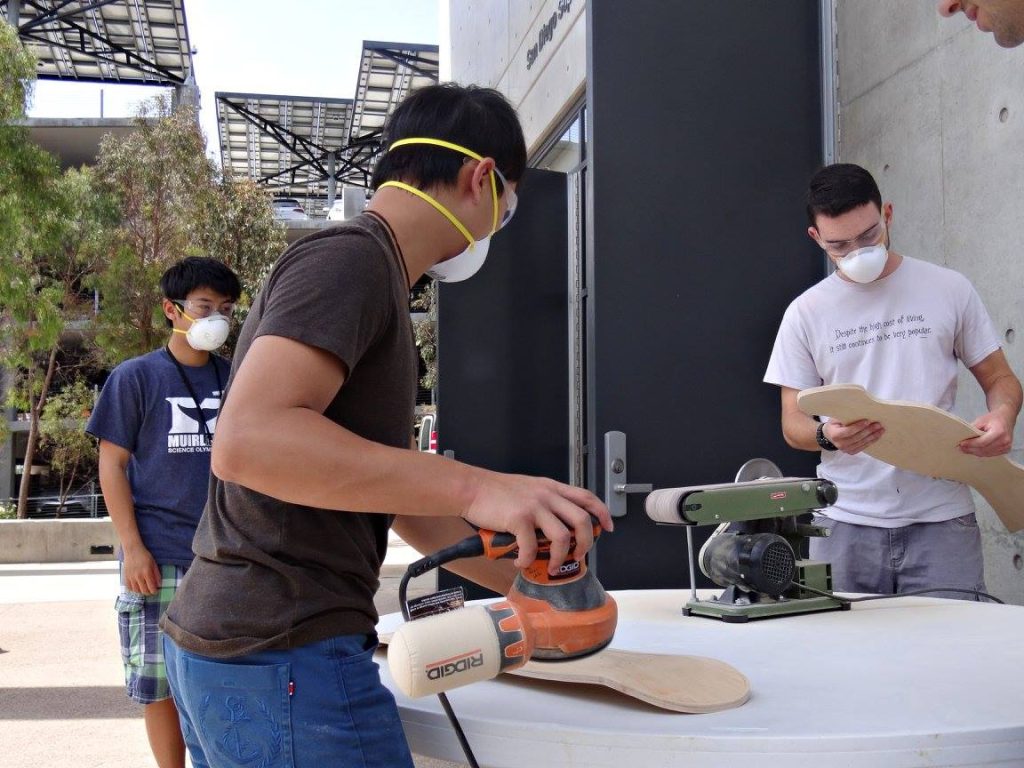
The UCSD ARE program is an opportunity for motivated high school students to work with a UCSD mentor on campus and at the San Diego Supercomputer Center for a five week period during the summer.

Students may choose from a variety of individual project opportunities to learn more about a potential research or career interest through software instruction, assigned scholarly or practical readings and discussions with their mentor and his/her graduate student team members.

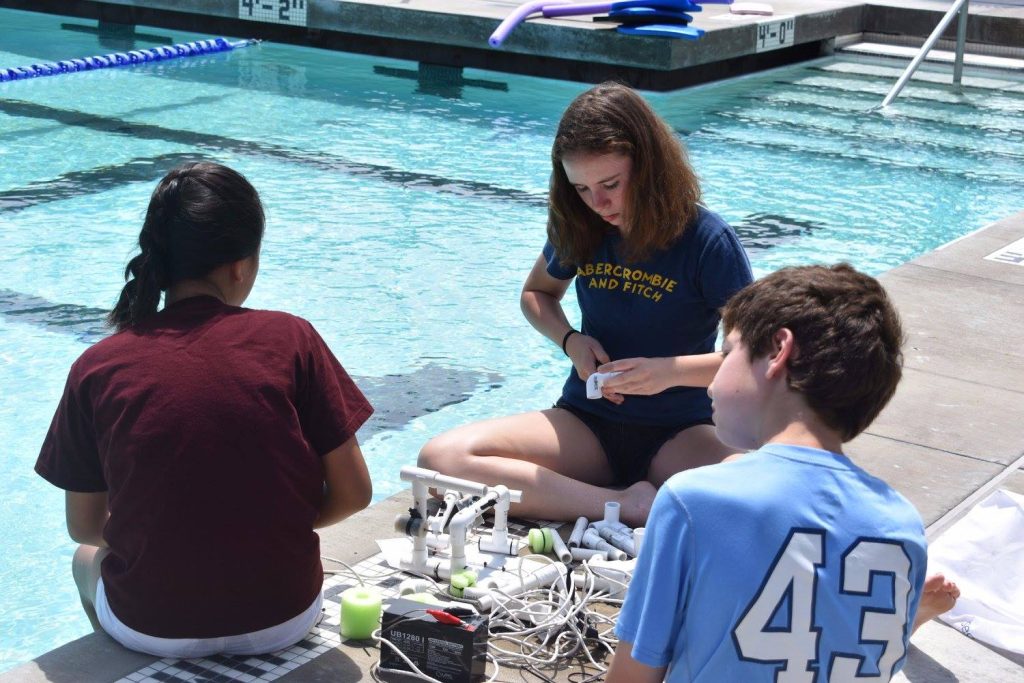
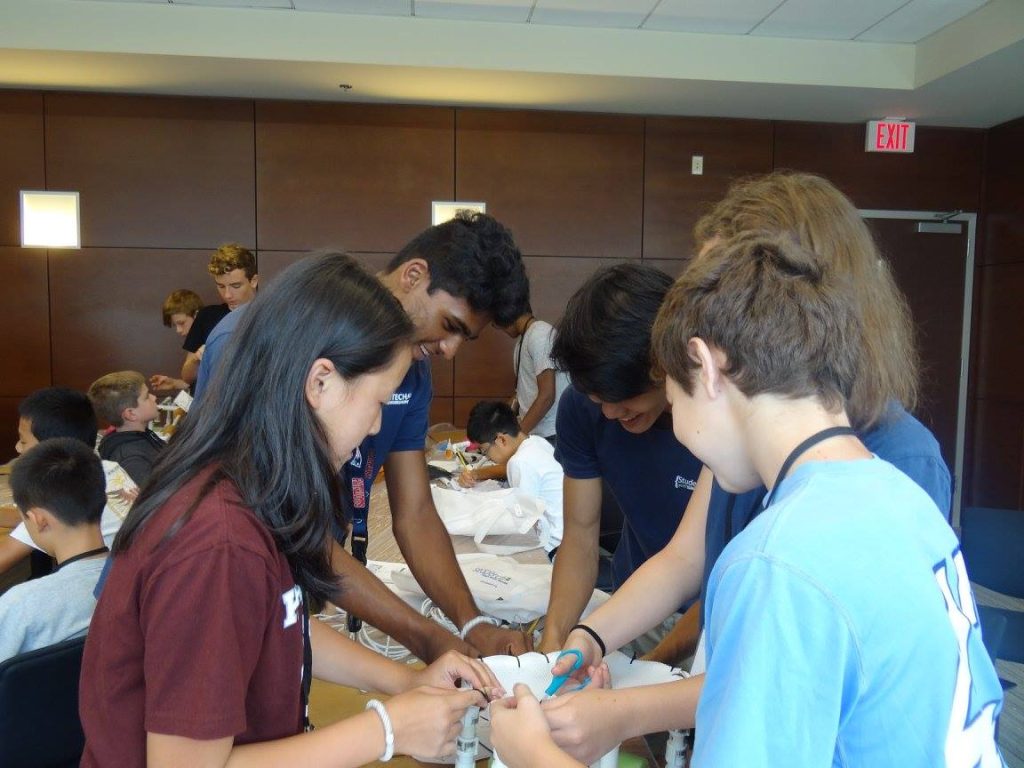
Students work in pairs or small groups, which allows students to learn and grow as they work with peers who have the same interest.

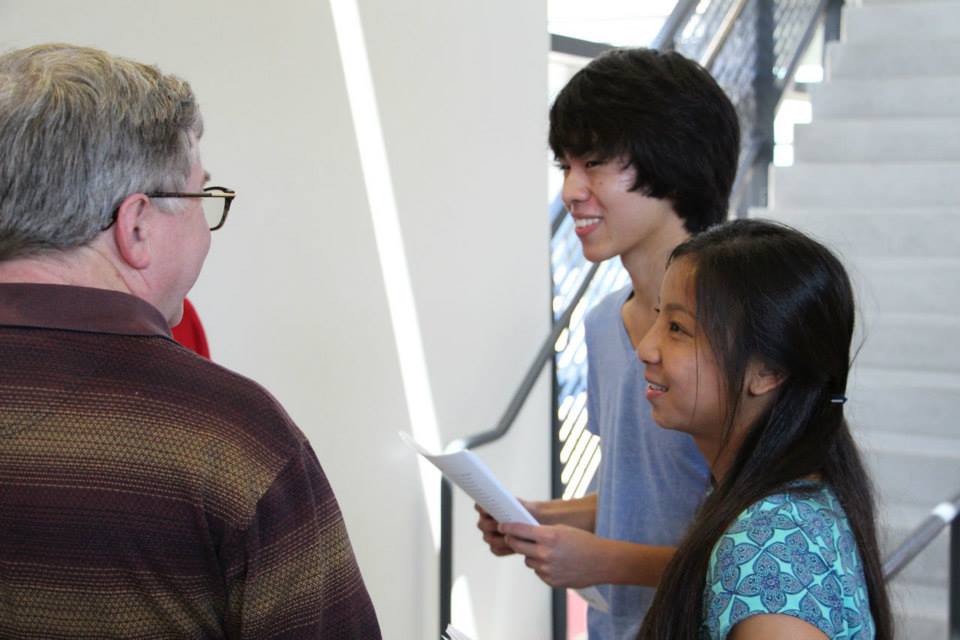
We encourage students to make the most of this opportunity, as they will have 1:1 access to the mentor’s expertise. With this internship, there is a specified number of hours required per week by the mentor. Each project description will have specified hours listed. Most are between 15-20 hours per week.
The opportunity to work with prestigious scientist and staff personnel is something very special, and we encourage you to make the most of it.
What the Program Does Not Offer
The ARE program is not a tutoring program. Please do not complete an application because you need assistance with AP Biology or AP Chemistry.

Administration of the ARE Program
The ARE Internship Program is administered by the UCSD San Diego Supercomputer Center.
The ARE Coordinators facilitate the administrative volunteer orientation and paperwork process for students and background check for mentors, as well as pairing of Faculty and Post Doc mentors with San Diego County high school students in grades 10-12.
The ARE Coordinator has four main responsibilities:
1
Facilitate the matching and notification of mentoring pairs
2
Provide a one-time Spring orientation for selected students, and maintain communication with students and mentors to discuss progress of mentor-student pairs
3
Research, develop, and maintain a comprehensive university-wide resource list of all faculty development resources, programs, and opportunities on campus
4
Maintain the REHS website for the mentors and students on which is posted a variety of resources and through which regular communication can be maintained with mentors, students, and interested campus and community members
Transportation Options

If you know that you will need transportation to get to the main UCSD campus, please do not worry. We will provide students with transportation needs through an MTS Compass card for the internship period.
Once we receive word from your mentor that you have been selected, we will email all selected students to ask if there are transportation needs. This will be your chance to let us know.

The ARE Mission
The mission of the ARE program is to enhance a student’s lifelong personal development in teaching, scholarship, and service. The mentoring relationships will support collegiality, effective communication, self-evaluation, and cultural competence, all of which enhance a stimulating and supportive university environment.
Guidance and Answers at Your Fingertips
Ange Mason of the San Diego Supercomputer Center (amason@ucsd.edu, 858 534-5064) is available to provide guidance and answer any questions you might have. Just ask!